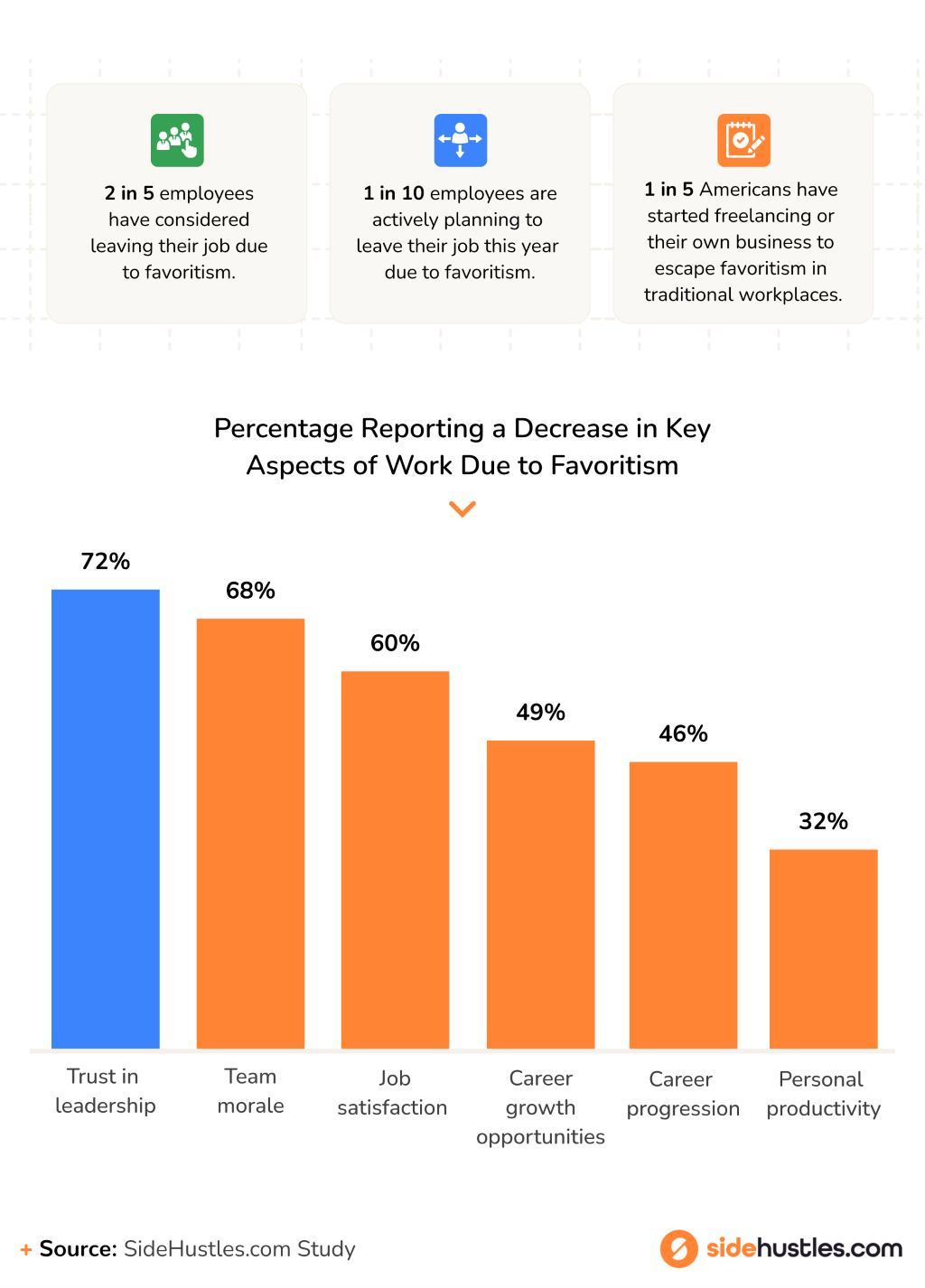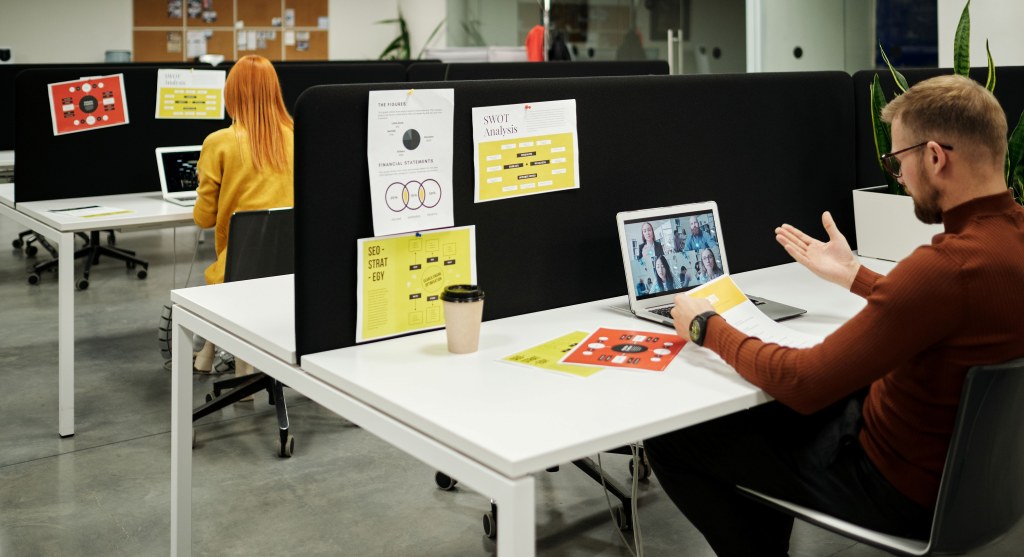

For Hannah Hood, the trade-off seemed worth it at first. While working as a marketing professional in Indiana, the shift to remote work during the pandemic allowed her to finish her MBA, train a new dog, and eliminate a draining commute. But as her personal life flourished, her career hit an invisible ceiling.
Despite a consistently strong performance, Hood was passed over for promotions twice. The issue wasn’t a lack of results, but a lack of visibility.
“I no longer had the same visibility with my superiors,” Hood told Business Insider, adding that, “I wasn’t in meetings, getting valuable face time with decision-makers. When those promotions popped up, I simply wasn’t on their radar.”
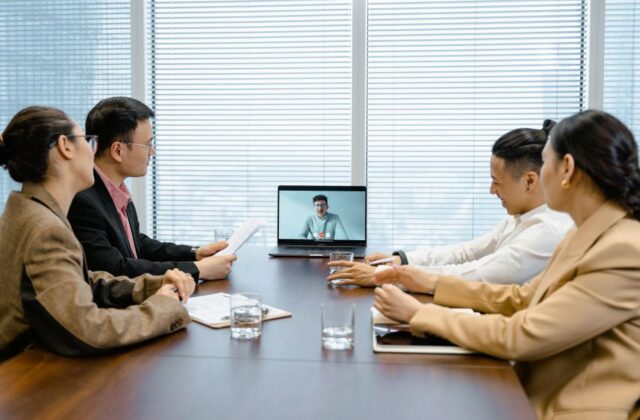
Hood’s experience is a textbook example of proximity bias, the usually subconscious tendency of managers to favor employees who are physically close to them.
As hybrid and remote work become permanent fixtures of modern organizations, is your career at risk of stagnating due to this bias, and what can you do to prevent it?