
To Silicon Valley founders, software engineer Soham Parekh is a symbol of a growing workplace controversy: overemployment.
As reported in one article by Fast Company, Parekh became a viral sensation after being outed on X (formerly Twitter) for secretly holding at least 19 different jobs since 2021 and, at one point, juggling four startup roles simultaneously.
Playground founder Suhail Doshi accused Parekh of “preying” on companies and “scamming people.”
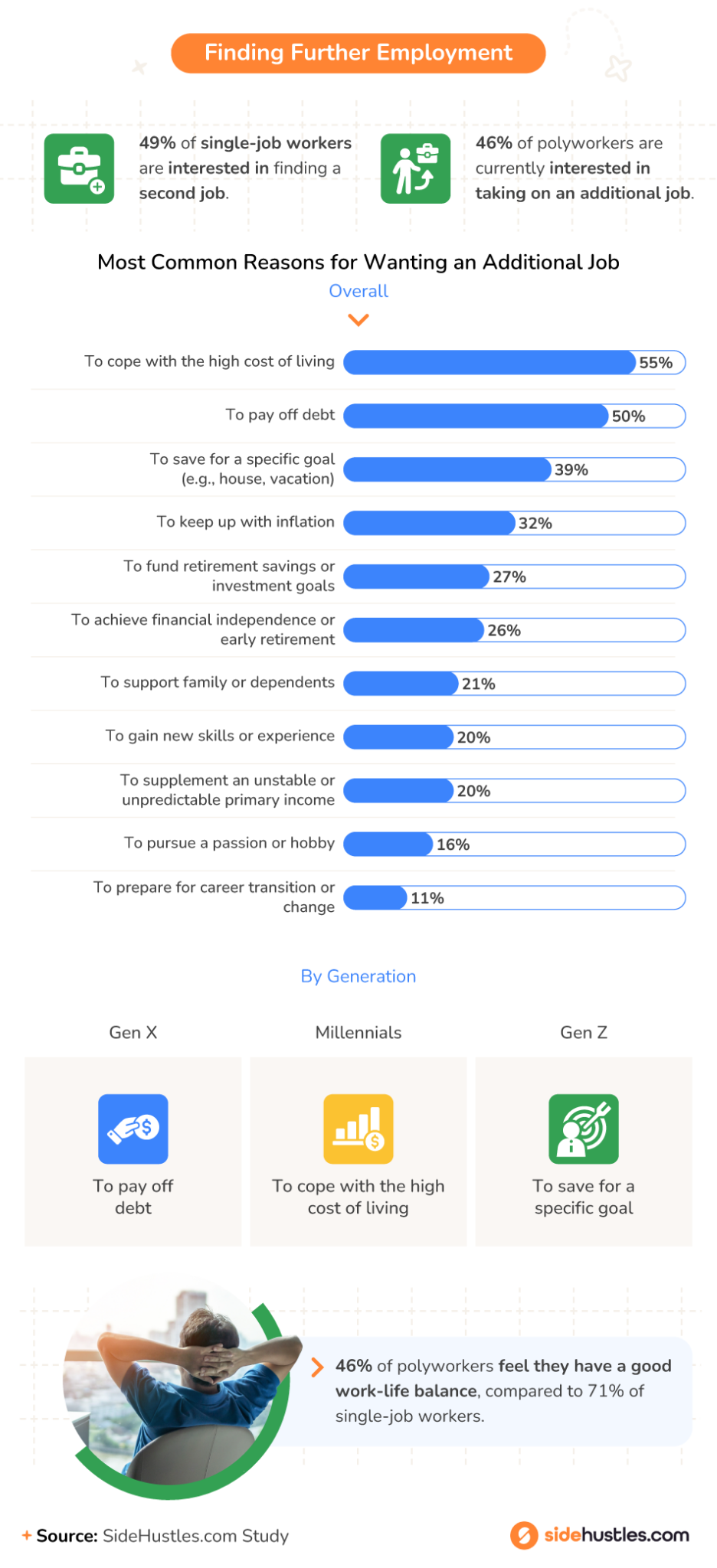
But Parekh’s defense struck a nerve with many workers facing mounting financial pressure. In his appearance on the TBPN podcast, Parekh claimed his “grindset” (i.e., working 140-hour weeks) was born of “dire financial circumstances” and asserted, “I just thought that if I worked multiple places, I can basically help myself alleviate the situation I was in much faster.”
His story has reignited a broader debate surrounding working multiple jobs—known as polyworking—as well as workplace loyalty and the economic realities pushing employees to seek multiple income streams.
So, is overemployment unethical deception, or simply a rational response to a broken economic system?